People say 'Forewarned is forearmed', and it makes perfect sense when it comes to protecting your business from criminal attacks. So, here are the most common types of ecommerce fraud for you to know.
Friendly fraud
Believe it or not, but this type of fraud has nothing to do with friendship. Why the name? That's because a criminal pretends to be your customer, innocent and naive – such a wolf in sheep's clothing.
Friendly fraud occurs when a buyer purchases something and then asks for a chargeback. The reasons may vary from an unauthorised transaction to a broken item. Sometimes customers say that the parcel wasn’t delivered, or they'd sent an order back but didn't get any money.
Unfortunately, friendly fraud is widespread as it's one of the easiest schemes – so few risks are involved. A thief files a chargeback claim to the bank or credit card company, and they often return money to smooth things over with a customer.
Account takeover
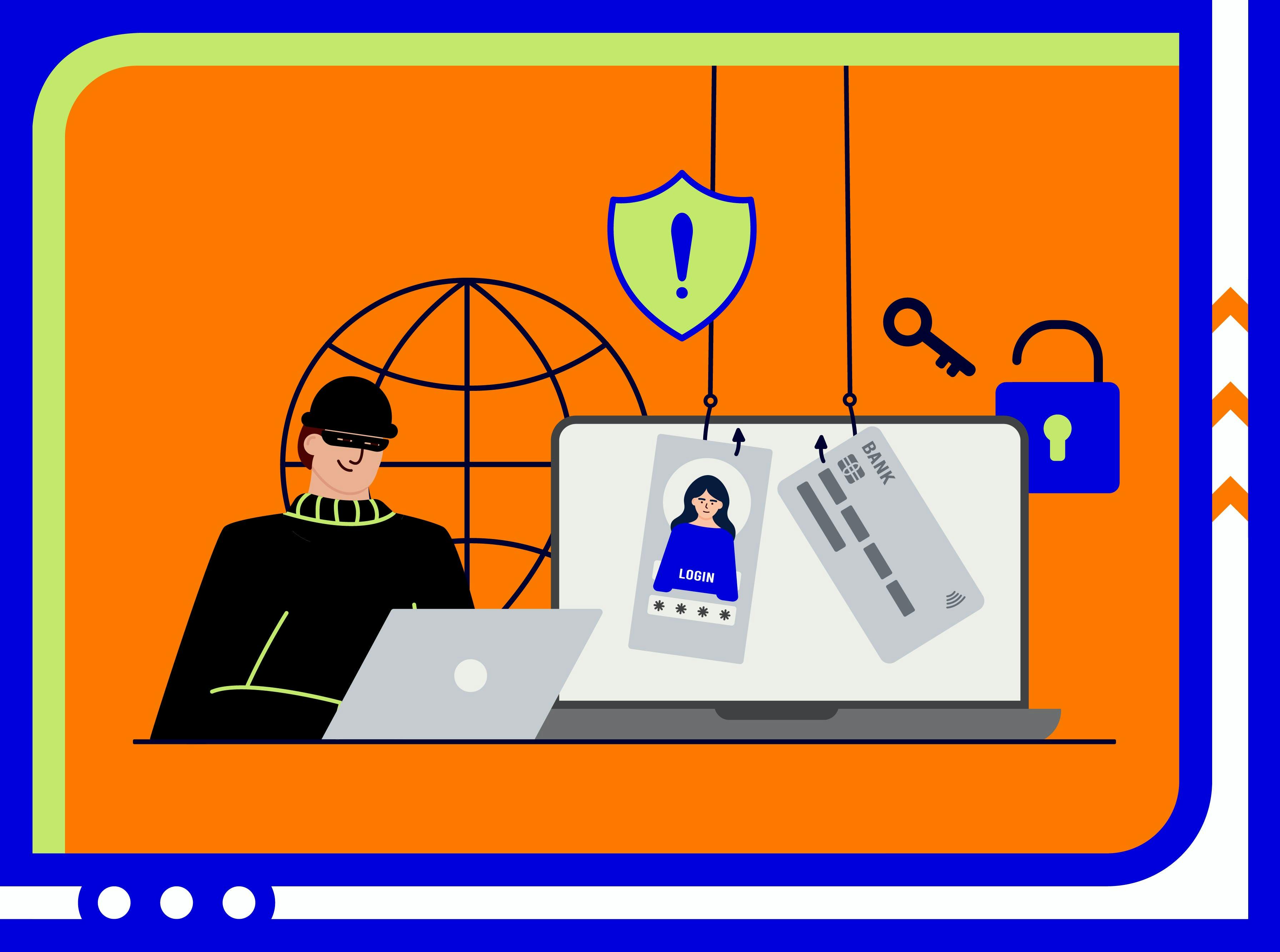
Another fast-growing form of identity theft is ATO (account takeover). It's malicious access to a user's account on the website with the intent to gain control over it and make unauthorised transactions. Bad actors or fraudsters usually hack accounts through various methods like purchasing data on the dark web or stealing them through phishing schemes. Once the hacker controls the account, they can make purchases, withdraw funds and engage in other kinds of fraudulent activities.
Account takeover is a serious crime that affects the brand image you've worked so hard to build. You risk losing many of your customers as they realise your store isn't safe and their data is extremely vulnerable. In a blink of an eye, they will switch over to your competitors, but easy here. There is always a way out, even several of them. We'll talk about them later on.
Interception fraud

If the order is placed to, let's say, Michel Cunningem's address, it doesn't necessarily mean that he will receive the parcel. Unfortunately, when interception fraud is involved, the chances to get goods are minimal. The scheme works like that: a criminal uses a stolen card to order something and ship the purchase to the address linked to the card. Then they intercept the parcel before a real receiver gets it.
The interception process is not rocket science. A fraudster can simply call the store's customer service where the order has been placed and change the pickup location. They may also contact the shipping company to reroute the parcel to another address.
Triangulation fraud
This sneaky scheme involves three steps. In the first one, fraudsters create a fake online store, it's usually a simple website without HTTPS protocol. The main idea is to make a real hook for naive customers, so the store often offers brand-name goods at jaw-dropping prices. Once the potential clients see such bargain-basement price tags, they place orders giving their personal information right into the criminals' hands.
If you think that the second step includes grabbing that data and running away, you're wrong. The criminals buy precisely what a victim ordered and send it to them. But the third step is where the crime is committed. Fraudsters used stolen data to make additional purchases.
The number of fraud types is countless, and you can't know them all. What you can do is to protect your ecommerce business from cybercriminals. That's what we're talking about in the next section.





 Most Popular Payment Methods in the World: Analysis by Markets
 How to Increase Conversions in an Online Store with a Checkout Page
 How Tranzzo Simplified the Payment Process for Tickets.ua
 Integrating Multiple Payment Methods: Challenges and Solutions
 Abandoned Shopping Carts: Why Businesses Lose Revenue and How to Increase the Number of Successful Payments